
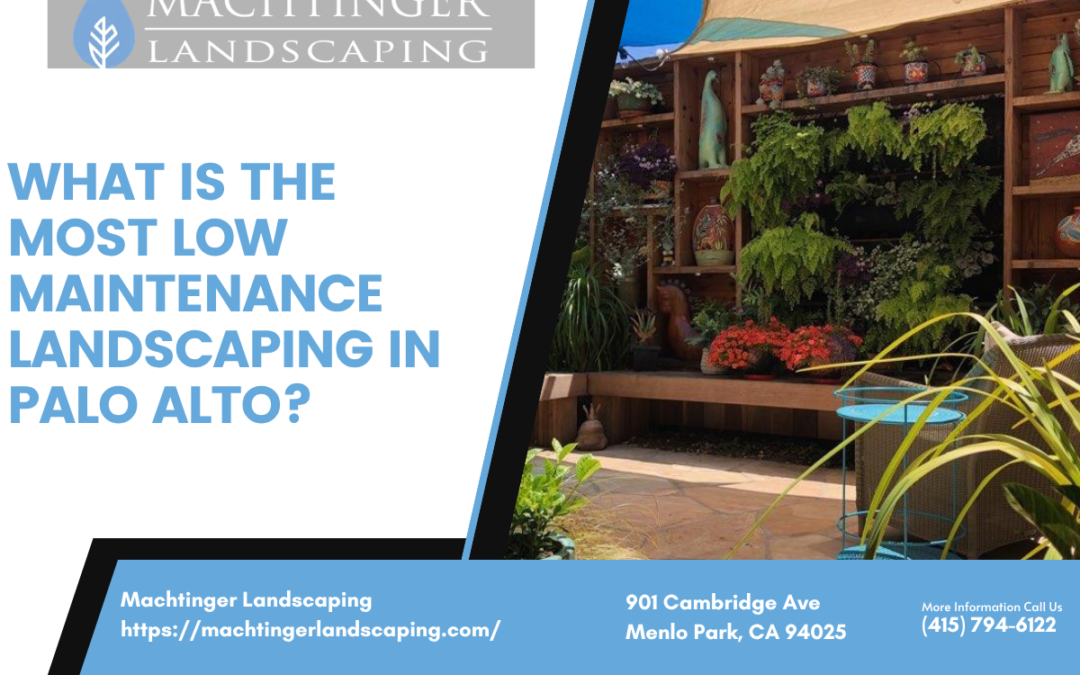
The most low maintenance landscaping in Palo Alto is not a simple rock garden or a patch of artificial turf. It is a professionally designed, holistic ecosystem built by a landscaping company on a foundation of soil health, hyper-efficient irrigation, and Bay-Friendly plant selection, engineered to exceed California’s strict water usage regulations.
The Great California Yard Debate: Redefining “Low Maintenance”
For decades, the quintessential American yard—a lush, green lawn—has been a symbol of curb appeal and success. Here in the San Francisco Bay Area, however, that ideal has become a significant liability. The combination of our Mediterranean climate, persistent drought conditions, and the ever-rising cost of water has turned the traditional lawn into a demanding, expensive, and ecologically questionable feature. Many homeowners in Palo Alto and across Silicon Valley, tired of weekend yard maintenance and shocking water bills, are seeking a better way.
The immediate reply to this challenge is often a pivot to “drought-tolerant” plants. While swapping turf for succulents and ornamental grasses is a step in the right direction, it’s only one piece of a much larger puzzle. True yard maintenance reduction and long-term sustainability are not achieved by simply changing the plant palette. The most resilient, beautiful, and genuinely low-effort landscapes are the result of a comprehensive, systems-based approach. This is the difference between a yard that merely survives and one that actively thrives.
In this guide, we will analyze three distinct approaches to residential landscaping: the traditional high-water turf lawn, the popular but often incomplete drought-tolerant plant collection, and the holistic, ecologically beneficial ecosystem that represents the gold standard for a modern landscape design in our region.
It’s Not Just a Trend, It’s the Law: Understanding MWELO’s Impact on Your Landscape Design
Before a single plant is chosen or a flagstone pathway is laid, any significant yard renovation in California must contend with a powerful, often overlooked force: the state government. The search for a low-maintenance landscape now begins not in a nursery, but with a piece of legislation.
New development and retrofitted landscape water efficiency standards are governed by the Model Water Efficient Landscape Ordinance (MWELO), which all local California agencies, including the city of Palo Alto, must implement and enforce, according to the California Department of Water Resources. This isn’t a suggestion; it’s a legal requirement for new construction projects and landscape renovations over a certain size. MWELO establishes a strict “water budget” for your property, known as the Maximum Applied Water Allowance (MAWA). Your landscape design and irrigation system must be calculated to stay below this threshold.
This regulation fundamentally changes the definition of sustainable landscaping. A truly low-maintenance property is one that is compliant from day one. It’s designed to be future-proof, ensuring that your investment isn’t at odds with current or future water conservation mandates. Ignoring these standards can lead to costly delays in project approval and potential issues down the line. Compliance is the true foundation of a modern, easy-care garden.
Comparing Your Landscaping Options: A Head-to-Head Analysis
Understanding the framework of MWELO allows us to evaluate landscaping options not just on aesthetics, but on performance, cost, and long-term viability. Let’s compare the three primary approaches homeowners consider.
Option 1: The Traditional High-Water Turf Lawn
The classic symbol of the American front yard landscaping, the turf lawn is a monoculture that requires immense resources to maintain in our climate.
Water Usage:
Extremely high. A traditional lawn is the thirstiest part of any residential landscape and is virtually impossible to incorporate into a new, MWELO-compliant design without significant offsets from other non-irrigated areas.
Maintenance:
Constant. Requires weekly mowing, frequent fertilization, aeration, and pesticide application to combat weeds and pests. The “maintenance” is a perpetual cycle of labor and chemical inputs.
Ecological Impact:
Negative. Offers little to no habitat or food for local pollinators. Runoff from fertilizers and pesticides can pollute local waterways. It is a biological desert compared to a diverse garden.
Long-Term Cost:
Very high. This includes not only the water bill but also the cost of equipment, fuel, fertilizers, pesticides, and either personal time or a weekly gardening service.
Option 2: The Simple Drought-Tolerant Plant Collection
This is the most common reaction to high water bills: remove the lawn and install a collection of low water plants, often with mulch or decomposed granite. It’s an improvement, but can be a superficial fix.
Water Usage:
Lower than turf, but potentially inefficient. Without addressing underlying soil issues or upgrading to a modern irrigation system, homeowners can still overwater. These gardens may or may not meet MWELO standards if a water budget calculation isn’t performed by a professional.
Maintenance:
Reduced. Eliminates mowing, but still requires significant weeding (especially if mulch is thin or no weed barrier is used), pruning, and replacement of plants that may fail due to poor soil conditions or improper irrigation.
Ecological Impact:
Neutral to positive. Using plants like Salvia (Sage) or Agave plants can provide some benefits, but without a holistic design, it may not create a cohesive habitat. It’s better than a lawn, but falls short of a thriving ecosystem.
Long-Term Cost:
Moderate. Water savings are significant compared to a lawn, but costs can arise from replacing plants and the ongoing labor of weeding and pruning.
Option 3: The Holistic, MWELO-Compliant Ecosystem
This approach, favored by professional landscape architects and designers, treats the yard as an entire system. It prioritizes the unseen elements—soil, water management, and plant synergy—to create a landscape that largely takes care of itself.
Water Usage:
Minimal and precisely calculated. This design is engineered from the start to be well under the MWELO water budget. It uses high-efficiency irrigation and plants perfectly suited to the local climate, many of which require little to no supplemental water once established.
Maintenance:
Extremely low. Once established (after the first year or two), maintenance is typically limited to seasonal pruning and mulch replenishment. Healthy, dense plantings naturally suppress weeds. The goal is to log fewer hours working and more hours enjoying the outdoor living space.
Ecological Impact:
Highly positive. This design is a biodiversity hub. It becomes a pollinator garden that supports bees, butterflies, and birds, contributing to local environmental health. It’s a true eco-friendly yard.
Long-Term Cost:
Lowest. While the initial landscape installation and design services cost more, the long-term savings on water, labor, and chemical inputs provide a significant return on investment over the life of the property.
The Systems-Based Approach: Why Professionals Focus on What’s Underneath
Achieving a truly low-maintenance landscape requires looking past the surface. The success of a backyard design or front yard renovation depends on a trio of foundational elements: soil, irrigation, and intelligent plant selection. Neglecting any one of these can undermine the entire project.
Soil Health: The Unsung Hero of the Easy-Care Garden
Much of Santa Clara County is characterized by heavy clay soil. This type of soil landscaping presents a challenge: it drains slowly and can suffocate plant roots. Simply placing drought-tolerant plants into unamended clay is a recipe for failure. A professional approach involves significantly improving the soil structure by incorporating organic compost and amendments. This creates a healthy foundation that retains the right amount of moisture while allowing roots to breathe. A thick layer of mulch is then applied to retain that moisture, suppress weeds, and regulate soil temperature. As Santa Clara Valley Water provides in ‘The Sustainable Landscape Guidelines,’ a watershed approach that prioritizes soil health is a cornerstone of water-efficient landscaping.
Water-Efficient Irrigation: Beyond the Sprinkler
The second pillar is a water delivery system designed for precision, not waste. Old-fashioned spray sprinklers are notoriously inefficient, losing vast amounts of water to evaporation and runoff. Considering that about 40% of the water Californians use at home is for outdoor purposes, this is a critical area for conservation. The modern solution involves two key technologies:
- Drip Irrigation Systems: These deliver water slowly and directly to the root zone of each plant, eliminating evaporation and overspray. This is the standard for planting beds with low maintenance shrubs and perennial flowers.
- Smart Irrigation Controllers: These devices are a quantum leap beyond simple timers. They connect to local weather data, automatically adjusting watering schedules based on rainfall, temperature, and humidity. They prevent the system from running when it’s raining and ensure plants get exactly what they need, when they need it.
The Art of Plant Selection: A Look at Bay-Friendly Landscaping
Only after the soil and irrigation systems are designed does the focus turn to plants. In our USDA Zone 10a climate, the choices are abundant. The goal is to select plants that are not just “drought-tolerant,” but are specifically adapted to Northern California gardening. This means focusing on California native plants and those from similar Mediterranean climates.
Great choices for full sun perennials and structural shrubs include:
- Ceanothus (California Lilac): A beautiful native that explodes with blue or purple flowers and is a magnet for pollinators.
- Manzanita: Known for its sculptural red bark and delicate flowers, it provides year-round interest and is exceptionally hardy.
- Salvia (Sage): Many native varieties offer stunning flowers, are beloved by hummingbirds, and require very little care.
- Ornamental Grasses: Varieties like Muhly Grass or Fescue provide texture, movement, and are excellent lawn alternatives.
- Lavender: A classic Mediterranean garden staple that thrives in our sun and heat.
As the California Native Plant Society notes, once established, many native plants require little irrigation beyond normal rainfall, drastically reducing maintenance. For inspiration, residents can visit the Palo Alto Demonstration Garden, where the ‘Water Wise Garden’ showcases how these types of plants can create a stunning, low-water landscape that provides essential habitat for local wildlife, a concept central to Bay-Friendly Landscaping principles.
Common Questions Answered: Design Principles for a Thriving Yard
Many homeowners looking for help with their garden design services ask about simple rules of thumb. While every project is unique, some classic design principles can guide the process and ensure your yard renovation has strong visual appeal.
What is the rule of 3 in landscaping?
The “rule of three” is a core design concept suggesting that plants, rocks, and other elements look more natural and aesthetically pleasing when grouped in odd numbers, particularly threes and fives. Instead of planting two shrubs, plant a cluster of three. This avoids the rigid, unnatural symmetry of even numbers and creates a more dynamic and engaging composition in a rock garden or planting bed.
What is the 70/30 rule in gardening?
This rule provides a framework for balancing structure with seasonal interest. The idea is to have 70% of your garden comprised of “structural” or evergreen plants (like Manzanita, Ceanothus, or other low maintenance shrubs) that provide a consistent backbone and visual interest throughout the year. The remaining 30% is dedicated to perennial flowers, ground cover plants, and other seasonal bloomers that provide pops of color and changing textures. This ensures the garden never looks completely bare, even in winter.
The Hidden ROI: From Barren Lawn to a Biodiversity Hub
Investing in a holistic, MWELO-compliant landscape delivers returns that go far beyond a lower water bill. It transforms a property from a resource drain into a high-performing asset, directly addressing the key factors that matter most to homeowners.
Compliance with State and Local Water Ordinances
A professionally designed system provides peace of mind. It ensures your project is approved without issue and is legally compliant, protecting your investment from future water restrictions or penalties.
Long-Term Water Usage and Associated Costs
This is the most direct financial return. By engineering the landscape to use a fraction of the water of a traditional yard, the savings compound year after year. It’s not uncommon for water bills to be reduced by 50-70% or more, and you may even qualify for water conservation rebates from the local water district.
Ecological Impact and Support for Wildlife
A native landscape becomes a living garden. It supports struggling local pollinator populations, provides shelter for birds, and restores a small piece of the local ecosystem. This shift from a sterile lawn to a vibrant habitat is a powerful, tangible benefit for the environmentally conscious homeowner.
Reduction in Maintenance Labor and Chemical Use
This is a return of your most valuable asset: time. By eliminating the weekly mow, the need for chemical fertilizers and pesticides, and drastically reducing weeding, the landscape frees up your weekends. This approach also improves public health by keeping chemicals out of our soil and water.
Increase in Property Value and Curb Appeal
A beautiful, mature, and water-wise landscape is a major selling point in California. It signals to potential buyers that the property is modern, efficient, and well-maintained. Excellent curb appeal ideas that include hardscaping elements like patios and pavers, gravel pathways, or retaining walls create functional outdoor space that further enhances value.
Future-Proofing Your Property: Advanced Sustainable Landscaping Strategies
For those looking to create the ultimate resource-independent yard, several advanced strategies, mentioned in state and local guidelines, can be integrated into a landscape design. These systems take self-sufficiency to the next level.
Rainwater Harvesting: This involves capturing rainwater from your roof and storing it in barrels or larger cisterns for later use in the garden. It’s a way to capture free, high-quality water and reduce reliance on the municipal supply, especially for establishing new plants.
Dry Creek Bed: Far from being just a decorative rock garden idea, a properly designed dry creek bed is a functional landscape feature that helps manage stormwater. It can channel rainwater away from a house’s foundation and allow it to slowly percolate back into the ground, recharging the local aquifer instead of running off into the street.
Graywater Systems: An even more advanced strategy involves diverting gently used water from washing machines, showers, and bathroom sinks to be used for irrigation. These systems require professional installation and careful planning but represent the pinnacle of water conservation in residential landscaping.
Making the Right Choice for Your Needs
There is no single “best” landscape for everyone. The most effective solution is one that aligns with your property’s specific conditions, your long-term goals, and your primary motivations for undertaking a yard renovation.
For The Regulation-Conscious Developer:
If you are building a new home or undertaking a major renovation that triggers MWELO review, the holistic ecosystem is not just the best option—it’s the only viable path. Your priority is securing permits without delay and building a property that is compliant and marketable. Investing in a professional landscape design service that understands the nuances of water budget calculations is essential. This approach de-risks the project and adds demonstrable value that will be recognized by appraisers and buyers.
For The Eco-Minded Modernizer:
Your passion is sustainability, biodiversity, and reducing your environmental footprint. The simple drought-tolerant garden is a good start, but the holistic ecosystem is the true fulfillment of your values. You want to see your garden buzzing with bees and hummingbirds. You value the creation of a habitat that supports local wildlife. Focusing on a rich palette of California native plants and integrating features like rainwater harvesting will create a landscape that is not only beautiful but is also an active contributor to the health of your local environment.
For The Cost-Sensitive Pragmatist:
Your primary motivation is to stop wasting money on water and time on tedious yard work. You’re tired of the high bills from your irrigation service and the constant upkeep of a lawn. For you, the decision comes down to return on investment. While the upfront cost of a holistic landscape installation is higher, it pays for itself. Analyze your current annual spending on water, gardening services, and supplies. A new landscape can drastically reduce or eliminate these costs, offering a clear and predictable financial payback over a few years, all while increasing your property value.
Ultimately, creating a truly low maintenance landscape is an investment in your property’s future and your quality of life. The process involves more than just selecting plants; it requires a strategic design that integrates soil science, hydrology, and horticulture. For homeowners in Palo Alto and throughout the Peninsula seeking a landscape that is beautiful, compliant, and sustainable, professional guidance is key. The team at Machtinger Landscape Design, based in Menlo Park, CA, has been helping clients transform their yards into thriving, low-water ecosystems for over 20 years. We invite you to contact us for a personalized consultation to explore how we can help you achieve your landscape goals.