
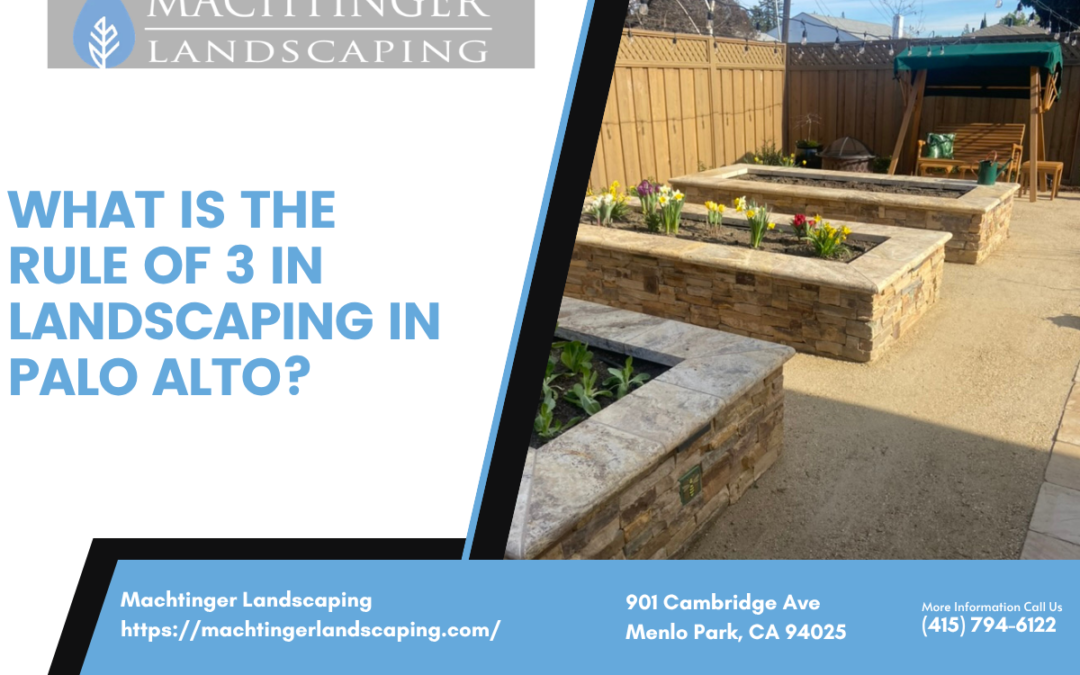
The Rule of 3 in landscaping is a core design principle that uses odd-numbered groupings of plants and elements to create natural harmony and visual interest. This technique moves beyond simple aesthetics to engineer a balanced, restorative outdoor environment, a highly valued approach for residential landscaping company in demanding areas like Palo Alto.
The Neuroscience of ‘Feeling Right’: Why Your Brain Craves Asymmetry
For many high-achieving residents of the City of Palo Alto, home is not just a place—it’s a sanctuary, a space engineered for cognitive recovery. The pressure cooker of professional life demands an environment that actively reduces stress. This is where landscape design principles transition from art into applied science. The Rule of Three, a cornerstone of naturalistic planting, is not about arbitrary numbers; it’s about how our brains process visual information.
When you see two identical shrubs flanking a doorway, your brain immediately recognizes the pattern. It’s formal, symmetrical, and demands cognitive attention to register the perfection. This can create a subtle, underlying tension. In contrast, an odd number grouping—three, five, or seven—creates asymmetrical balance. This is the deliberate flaw in symmetry. The look is more dynamic and allows the brain to relax and disengage. It mirrors the gentle, imperfect arrangements found in nature, which our minds are hardwired to find calming.
This isn’t just a feeling; it’s a physiological reality. Research shows that natural environments have a measurable restorative effect. In one study, viewing garden landscapes caused a notable decrease in oxygenated hemoglobin in the prefrontal cortex, a key indicator that the brain is under less strain. Conversely, viewing city landscapes caused an increase, suggesting heightened mental effort. This evidence points to the power of a well-designed garden to serve as a genuine tool for mental decompression.
Beyond Plants: Applying the Rule of 3 to Your Entire Outdoor Space
A common mistake in DIY landscape design is limiting the rule to just plants. A truly sophisticated landscape plan applies this principle to every element, creating unity and harmony throughout the yard. To build a multi-sensory retreat, we must consider the interplay of texture, height, and color using materials appropriate for our Mediterranean climate.
Think beyond just three trees. Here’s how professional garden designers apply the rule:
- Hardscape Design: Instead of a uniform surface, a paver patio can incorporate a pattern using three different but complementary paver sizes or shades. A collection of three strategically placed boulders and rocks can anchor a garden bed, creating a powerful focal point.
- Texture and Form: Group three different ornamental grasses together—one tall and feathery, one short and spiky, one with a soft, mounding form. The textural contrast adds depth and visual interest that engages the senses without overwhelming them. Reclaimed wood, smooth stone, and rough-hewn softscape elements can be combined in thoughtful clusters.
- Container Grouping: One of the easiest ways to create curb appeal is by grouping three containers of varying heights near an entryway. This creates an inviting visual hierarchy that is far more compelling than a single pot or a symmetrical pair.
This approach to plant layering and material selection works to create a cohesive garden aesthetic. It ensures that every component, from the shrubbery clusters to the walkways and paths, contributes to a single, calming narrative.
The Landscape as a Wellness Asset: A New Kind of ROI
Traditionally, front yard landscaping has been viewed through the lens of property value. While a well-designed space certainly enhances marketability, it’s time to reframe the conversation. We must compare purely aesthetic-focused landscaping with the creation of therapeutic, restorative sanctuaries. One looks good; the other *does* good.
For those living and working in stressful urban environments, a thoughtfully engineered natural space is a strategic investment in personal well-being. The ROI is measured in daily stress reduction and improved mental clarity. This concept isn’t new; a 1968 report from the American Society of Planning Officials identified trees as a ‘precious instrument in the hands of a city planner’ and stated that their use ‘must become a paramount objective‘ for improving urban life. That same principle applies on a micro-scale to your own property.
The science is clear. An experimental study found that participants reported significantly lower levels of tension, fatigue, confusion, and anxiety after viewing garden landscapes compared to city scenes. By using principles like the Rule of Three, we are not just decorating a yard; we are building a personal wellness asset. This is particularly relevant in Northern California gardens, where an emphasis on sustainable landscaping and fire-resistant landscaping (firescaping) using California native plants can be integrated into a design that is both beautiful and resilient.
Common Questions and Guiding Principles in Garden Design
Understanding the core principles helps demystify the work that landscape architects and contractors perform. Here are answers to a few common questions.
What are the most common landscaping mistakes to avoid?
The most frequent errors stem from ignoring nature’s patterns. Planting in rigid, even numbers creates a stiff, formal look. Ignoring scale and proportion—placing tiny plants next to a large house or vice-versa—disrupts visual flow. Lastly, striving for perfect symmetry often results in a space that feels sterile and uninviting, precisely what the Rule of Three helps to correct.
How do the Rule of Thirds and the 70/30 Rule relate?
These are complementary landscape design principles. The Rule of Thirds is a compositional guideline for placing a focal point, like a specimen tree or water feature, off-center to create a more engaging view. The 70/30 rule is often used to balance elements, suggesting a split such as 70% softscape elements (plants, lawn alternatives) and 30% hardscape (patios, retaining walls). A skilled designer uses all these rules in concert to establish garden rhythm and harmony.
Key Factors in Designing a Restorative Landscape
When you shift your goal from a purely aesthetic yard to a wellness-focused sanctuary, the decision-making criteria change. Here are the key factors to consider:
Demonstrable stress reduction benefits
The design should be explicitly based on principles proven to reduce cognitive load. This means prioritizing asymmetrical balance, naturalistic planting, and soft, organic forms over rigid, formal geometry.
Support for mental clarity and focus
A successful design eliminates visual clutter. It creates a cohesive, unified space where the eye can rest. Features like outdoor lighting can extend this calming effect into the evening, providing a serene backdrop for decompression after a long day.
Evidence-based design principles
Your landscape should not be based on fleeting trends. It should be grounded in time-tested principles of art, design, and neuroscience that produce a predictable, positive psychological outcome. This is the difference between decorating and designing.
Long-term investment in personal well-being
View your outdoor space as an essential component of your daily health routine. A low-maintenance yard built with drought-tolerant landscaping and sustainable practices becomes a lasting tool for well-being, requiring minimal effort to deliver maximum restorative benefits.
Making the Right Choice for Your Needs
There is no single “best” landscape. The ideal design is one that is meticulously tailored to your lifestyle, priorities, and personal definition of sanctuary.
For the High-Stress Tech Executive
Your time is your most valuable asset. The goal is a seamless transition from a high-demand work environment to a restorative escape. Prioritize a low-maintenance yard with features that function passively. Xeriscaping with elegant succulent gardens, the gentle sound of a self-contained water feature, and automated outdoor lighting create an effortless ambiance. The design should be a sophisticated, hands-off system for decompression.
For the Health & Wellness Advocate
Your garden is an active part of your holistic lifestyle. The design should facilitate mindfulness and connection. Incorporate natural stone walkways and paths for meditative walks, open spaces with soft lawn alternatives for yoga or tai chi, and a rich palette of California native plants like Ceanothus and Manzanita to foster a connection with the local ecology. Your space is a tool for meditation and grounding.
For the Design-Conscious Professional
You appreciate the intellectual rigor behind great design. For you, the beauty lies in the sophisticated execution of a scientifically-backed philosophy. Focus on the masterful interplay of Form and Color, texture, and Scale and Proportion. Apply the Rule of Three not just to perennial plants, but to the hardscape itself—perhaps a series of three terraced garden beds or a patio design that uses three complementary materials. The visual hierarchy and garden rhythm are paramount, creating a space that is as intellectually satisfying as it is beautiful.
Ultimately, engineering a space that measurably improves your well-being requires a partnership based on expertise, artistic vision, and a deep understanding of your goals. For a professional garden consultation to assess how these evidence-based principles can be applied to your property, contact the expert team at Machtinger Landscape Design. Based in Menlo Park, CA, we have proudly provided comprehensive landscape installation and design services to discerning clients throughout the Bay Area, including Palo Alto and the surrounding Santa Clara County communities, for decades.